
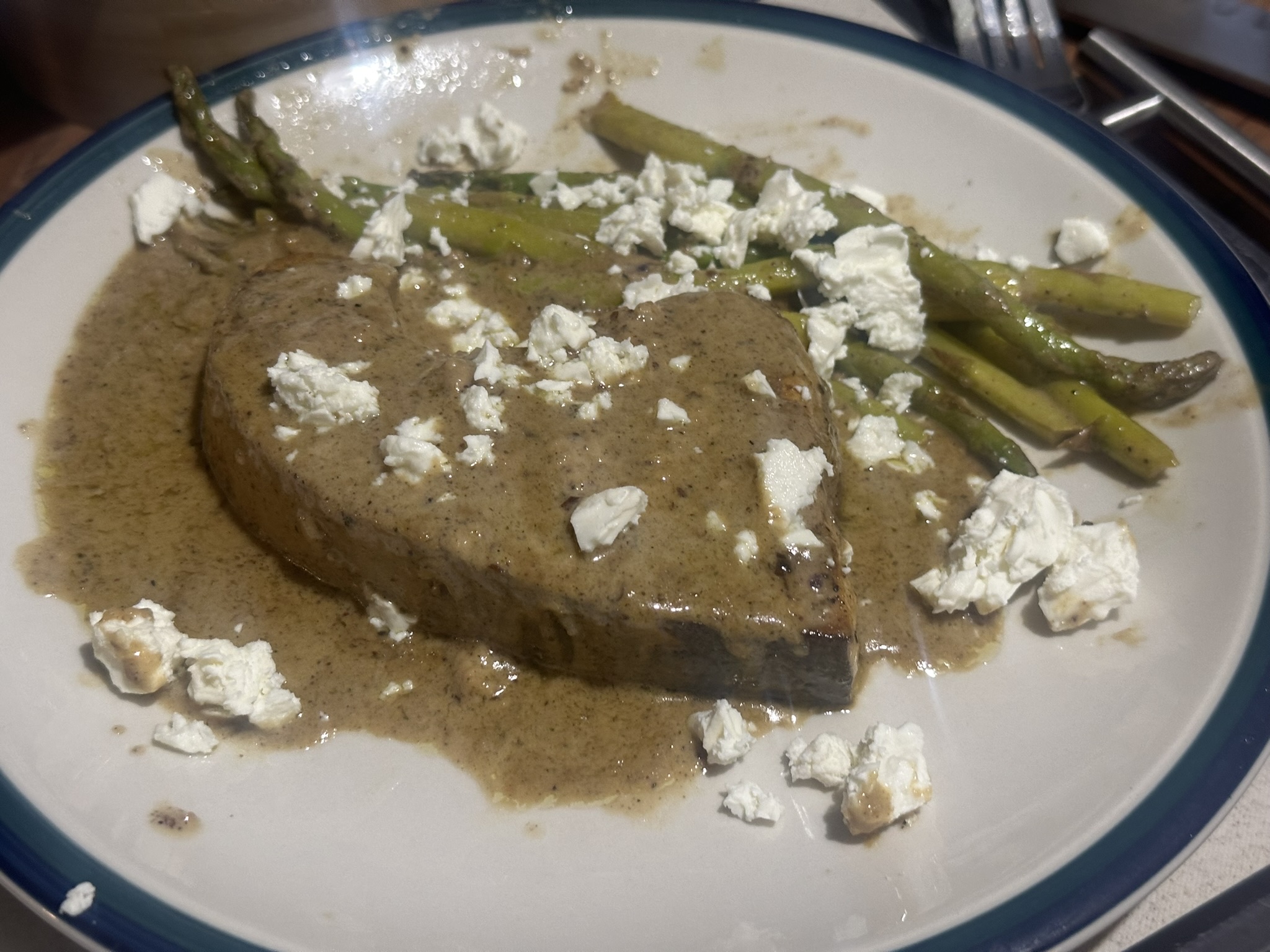
Creamy Mediterranean Swordfish w/ Asparagus
This one started with a couple of swordfish steaks, some asparagus, and a desire to put the Mediterranean seasoning blend I’d just made to work. The idea was to heavily season and sear the swordfish, use everything left behind in the pan to cook the asparagus, and turn those browned spices and pan drippings into a cream sauce. It ended with me licking the sauce off the plate, so I’m going to call that a successful experiment.
The Idea
I’ve been cooking mostly low-carb and high-protein meals, but I have very little interest in eating plain protein and vegetables every night. Swordfish is particularly good for this kind of experiment because it’s thick, meaty and substantial enough to stand up to a heavy seasoning crust and a rich sauce. I’d also recently made a big batch of my own Mediterranean seasoning blend, so instead of building the flavor from a dozen individual spices, I decided to make that the foundation of the whole dish.
Ingredients
- About 1 lb swordfish steaks
- 6 oz asparagus
- 2–2½ tsp divided
Mediterranean seasoning ⓘ
My Mediterranean BlendMakes about 93 g / fills a 170 mL spice bottle.

- 38 g za’atar
- 19 g sumac
- 13 g garlic powder
- 9 g onion powder
- 5 g black pepper
- 5 g MSG
- 4 g salt
Mix thoroughly and store in an airtight spice bottle. Total yield: 93 g.
- 1 tbsp olive oil
- 1 tbsp butter
- ½ cup heavy cream
- ¼ cup grated Parmesan cheese
- 1 tbsp lemon juice
- ½–1 tsp sumac, to taste
- 3 oz feta cheese, crumbled
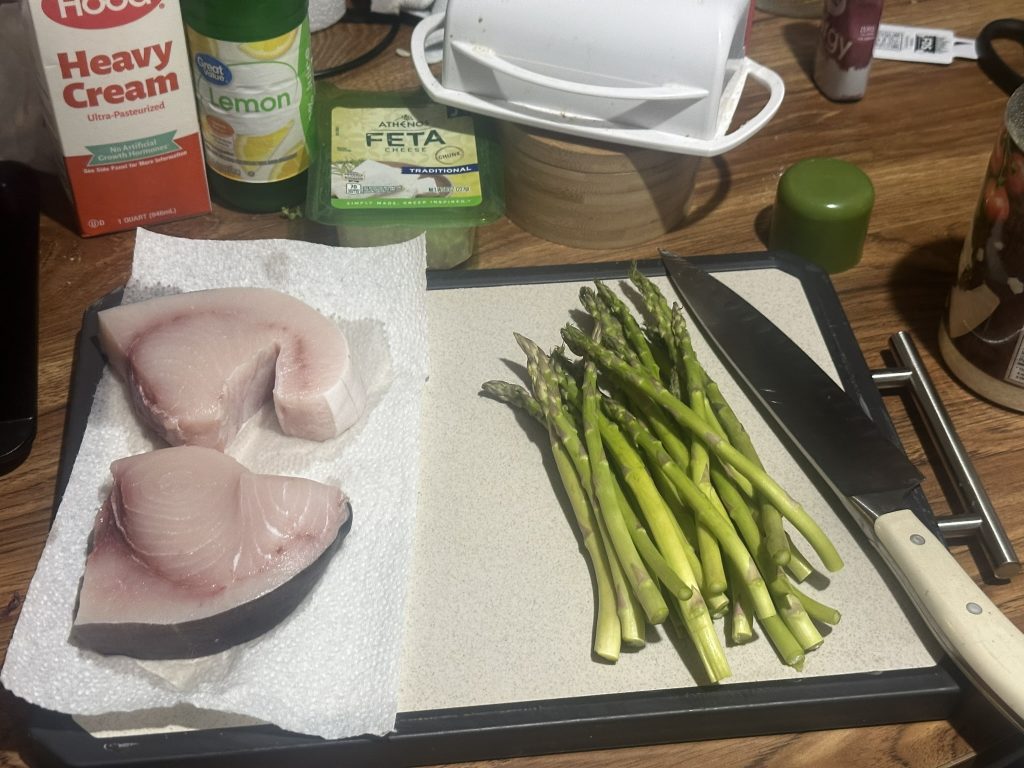
1. Start With the Swordfish
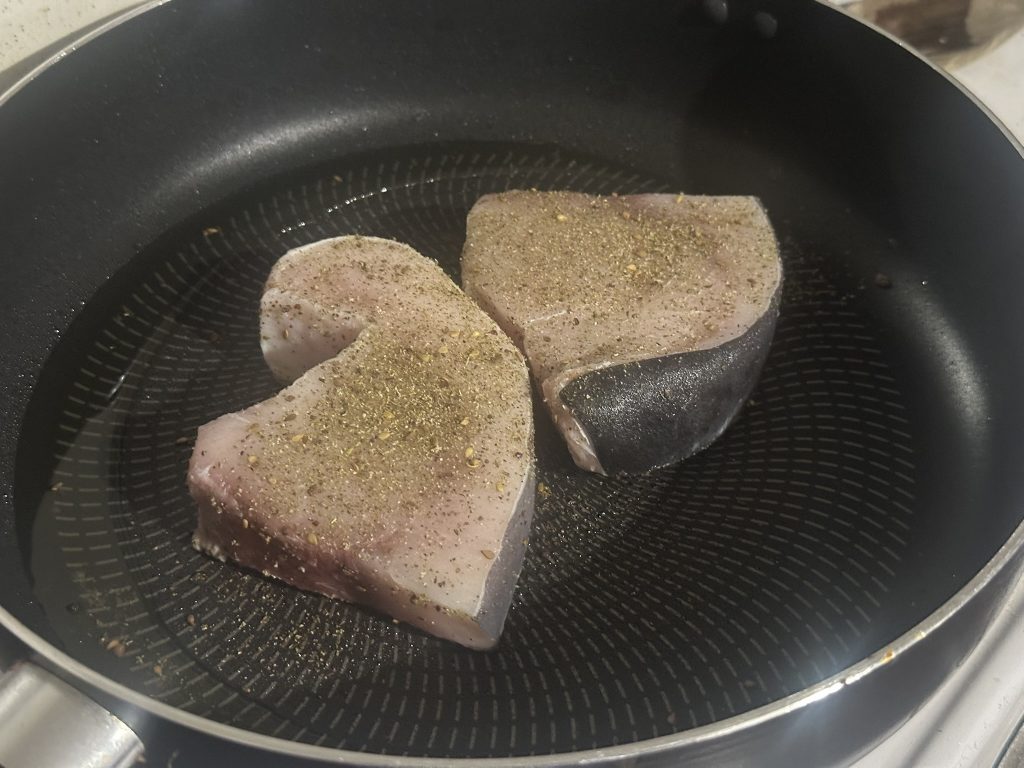
I patted the swordfish dry, lightly coated it with olive oil, and gave it a pretty aggressive coating of the Mediterranean seasoning. Swordfish can take a lot of flavor, and I wanted enough seasoning on the fish that some of it would toast in the pan and become part of the sauce later. I heated the skillet to roughly 400°F and seared the steaks for about 3–4 minutes on the first side before flipping them. Cooking time will depend heavily on thickness, so temperature matters more than the clock; I was aiming for about 140–145°F internally before pulling them from the pan.
2. Don’t Clean the Pan
This is where the dish really started coming together. After removing the swordfish, I left all of the seasoned oil and browned spices exactly where they were, lowered the heat, added the butter and put the asparagus directly into the same skillet. The asparagus cooked for about 3–4 minutes while picking up the seasoning left behind by the fish. Rather than adding a bunch more seasoning immediately, I let what was already in the pan do most of the work.
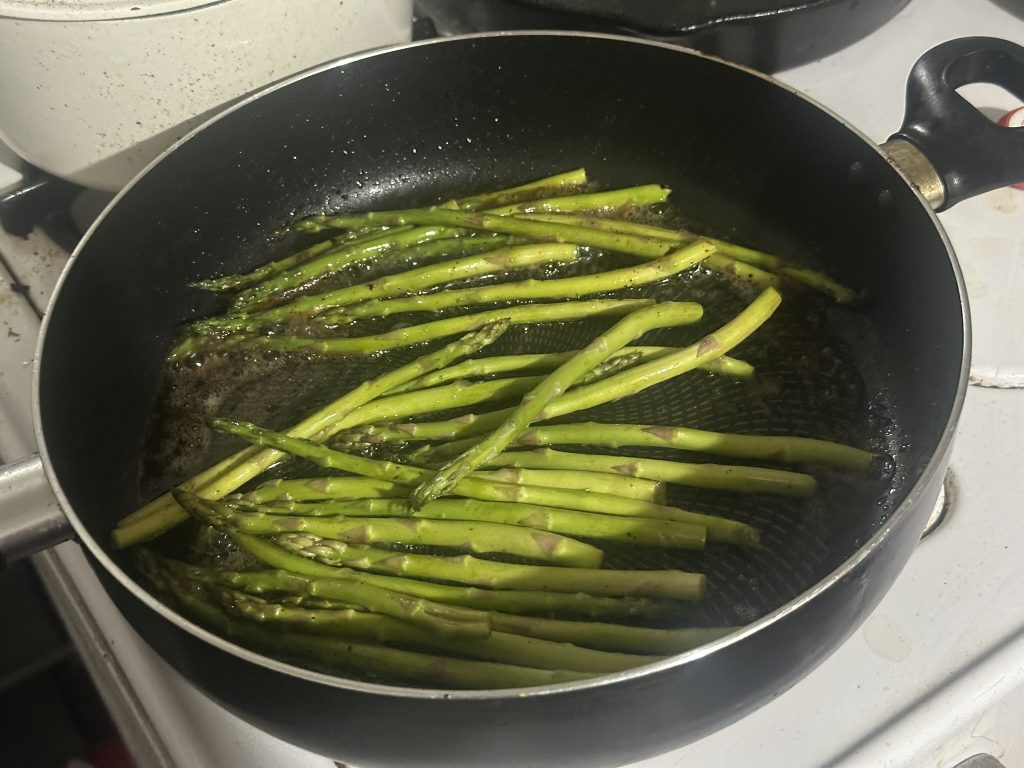
3. Turn It Into a Sauce
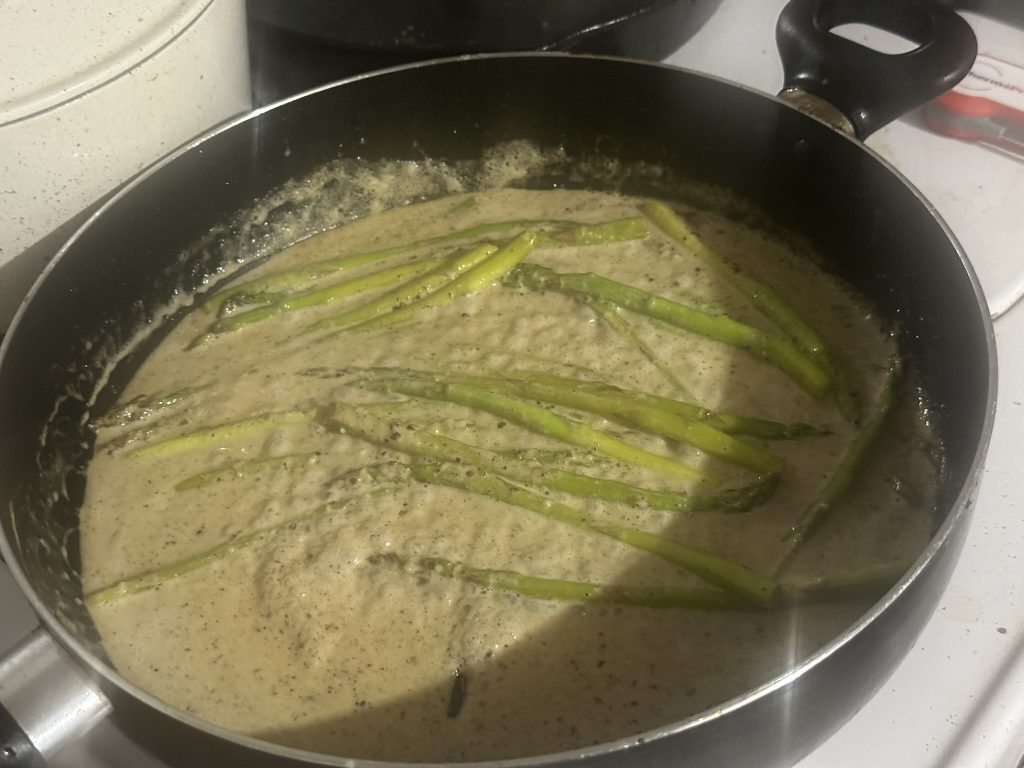
With the asparagus still in the pan, I added the heavy cream and Parmesan and scraped up everything the swordfish had left behind. The toasted seasoning immediately turned what would normally be a pale cream sauce into the darker, speckled sauce you can see in the photo. I let it simmer gently until it thickened, then added the lemon juice and some extra sumac for acidity. Between the cream, Parmesan and eventually the feta, there’s a lot of richness here, so the lemon and sumac are important for keeping the sauce from becoming heavy and one-dimensional.
4. Bring It Back Together
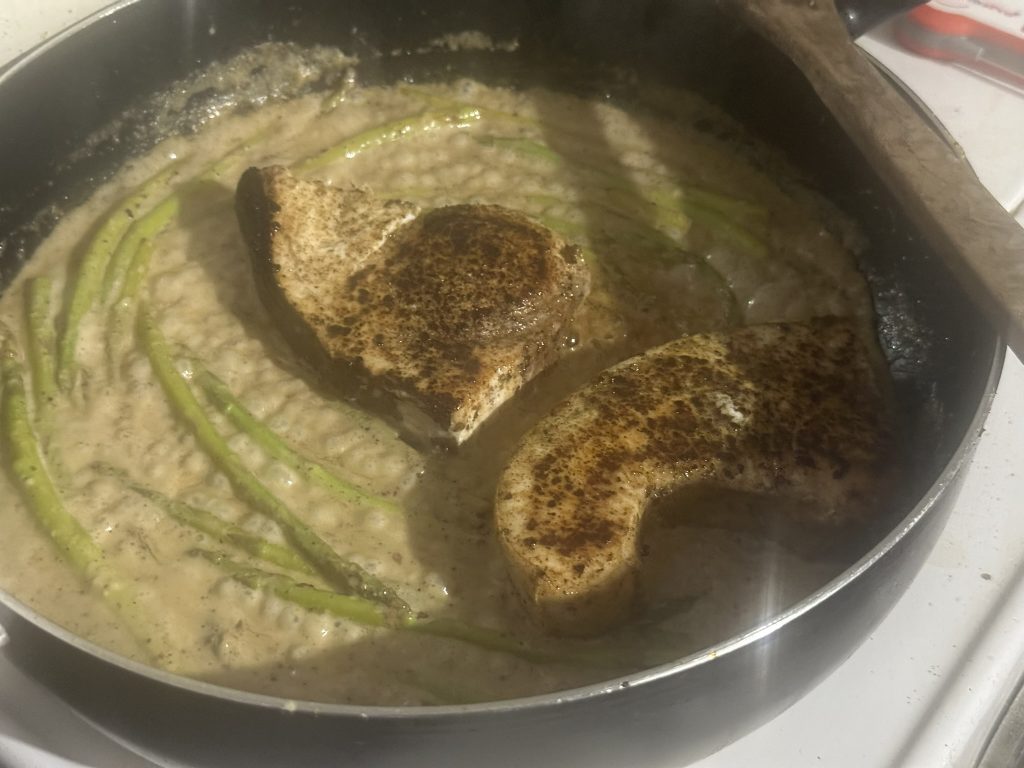
Once the sauce was where I wanted it, the swordfish went back into the skillet just long enough to warm through and get coated in the sauce. I didn’t want to continue cooking it for long because the fish was already done, and overcooked swordfish can go from meaty to dry surprisingly quickly. I plated the asparagus and swordfish with plenty of the pan sauce, then crumbled the feta over everything at the end. Leaving the feta intact instead of melting it into the sauce gave the finished dish little salty, tangy hits against the warm cream sauce.
The Result
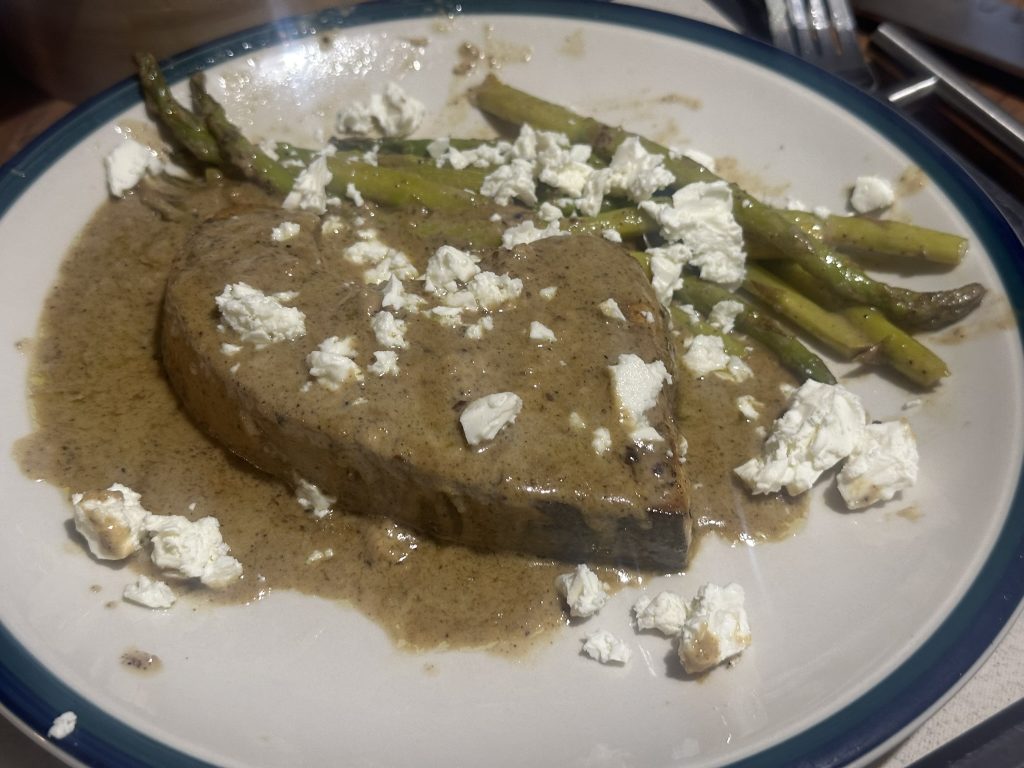
This is exactly the kind of low-carb meal I’m trying to make more often. It doesn’t taste like something that was designed around a restriction. The swordfish gives it a substantial, almost steak-like center, the asparagus actually becomes part of the dish instead of feeling like the obligatory vegetable on the side, and the Mediterranean seasoning, lemon, sumac and feta give the whole thing enough acidity and punch to balance the cream. More importantly, I would make it again without changing much of anything, and that’s ultimately the standard I’m using for the recipes I put here.
What I Actually Ate
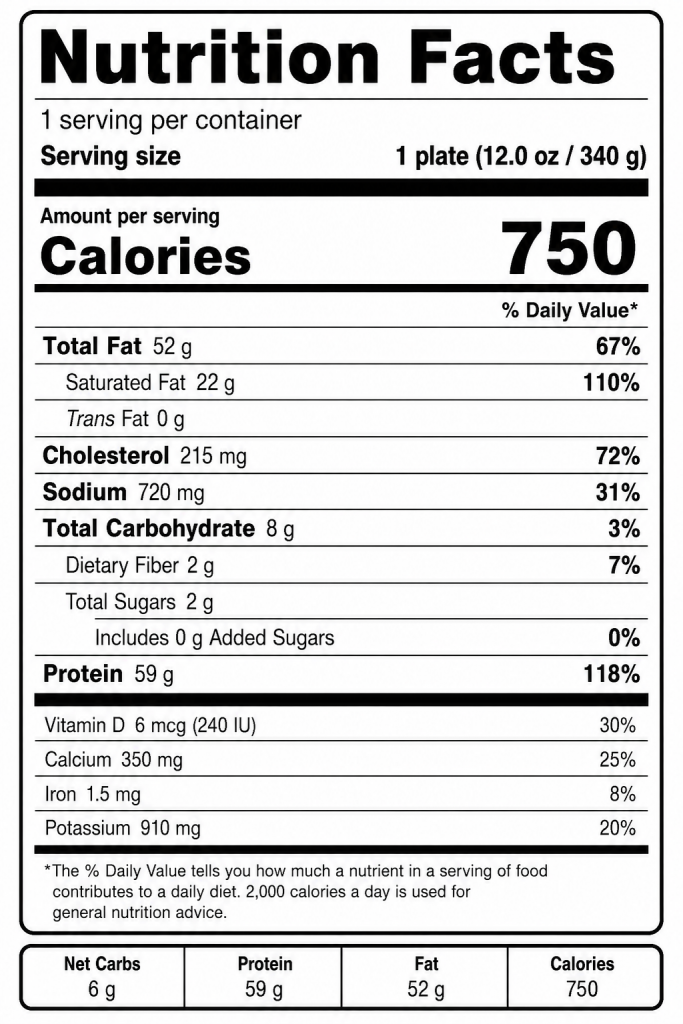
I weighed my portion rather than trying to calculate nutrition from an arbitrary “serving.” My plate had 7.5 oz of swordfish, 3 oz of asparagus and 1.5 oz of feta, along with roughly half of the cream sauce. Because cooking fats and sauce don’t divide perfectly between plates, these numbers should be treated as a realistic estimate rather than laboratory measurements.
The Final Review
There are various ways to decide whether a recipe is worth making again. I suppose I could come up with some kind of rating system, carefully score the flavor and texture, and pretend to be objective about it. In this case, I think the photographic evidence is probably sufficient.
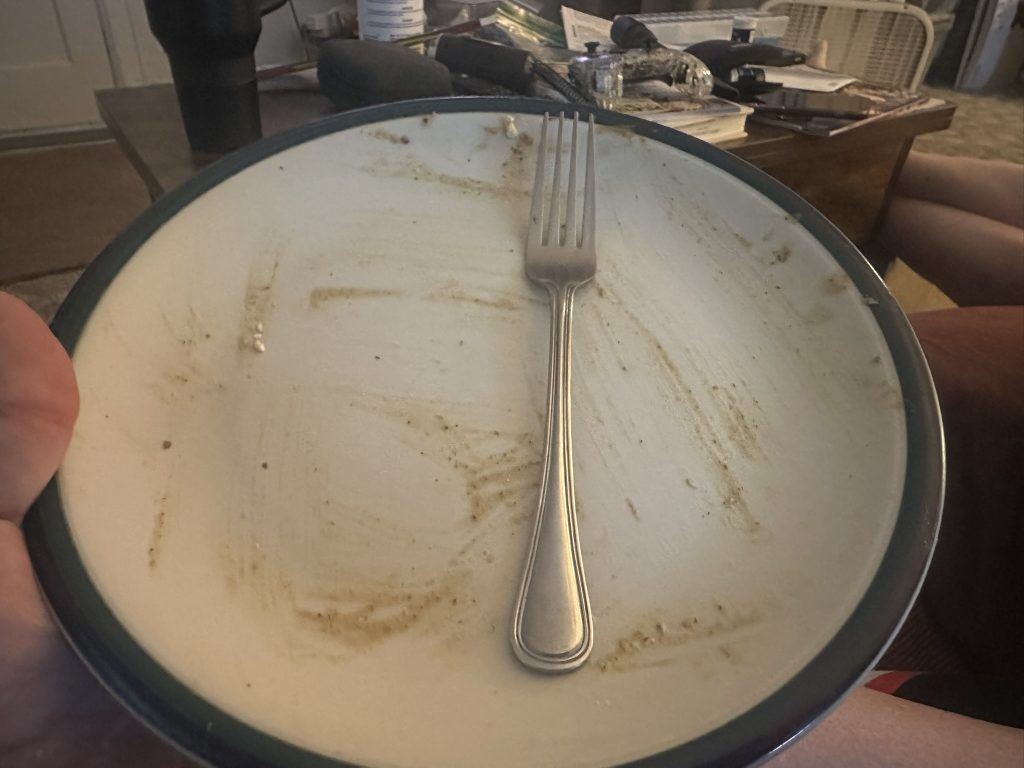
Yeah. This one’s staying in the rotation.